 21:38Oldies Music · 1966 · Greatest Hits by Year
Catchy Songs From 1976 That Still Make You Smile
Episode: 10 Catchy Songs from 1976 That Still Make You Smile
From Sora Music Rewind · 21 min ·This episode plays on YouTube — the button opens it in a new tab.
About These Catchy Songs From 1976
The catchy songs from 1976 came out of a year of glitter, disco balls and Bicentennial fireworks. Some were silly, some were sweet, and a few were never meant to be taken seriously at all.
This episode counts down ten of them, from #10 to #1. The chart positions and stories below were checked against chart records and reliable sources, and several details from the video have been corrected or left out.
Which Catchy Songs From 1976 Made the List
#10: Silly Love Songs — Wings (1976)
Paul McCartney wrote this song as an answer to critics, including his former bandmate John Lennon, who said his love songs had become too light. Instead of changing course, he made the title his defense.
Wings recorded it at Abbey Road Studios in London on January 16, 1976. McCartney let the horn players work out their own parts. The single spent five non-consecutive weeks at No. 1 on the Billboard Hot 100 and finished as Billboard's top pop song of the year.
#9: Play That Funky Music — Wild Cherry (1976)
Wild Cherry was a rock band playing clubs at a time when audiences wanted to dance. During a break at the 2001 Club in Pittsburgh, a patron asked bandmate Ron Beitle whether they were going to play some funky music.
Singer Rob Parissi turned that question into a song, reportedly writing it in about five minutes. Released on the Cleveland-based Sweet City label, it reached No. 1 on the Billboard Hot 100 on September 18, 1976, and also topped the soul chart.
The record sold about 2.5 million copies in the United States. It turned out to be the group's only Top 40 hit.
#8: Disco Duck — Rick Dees and His Cast of Idiots (1976)
Rick Dees was a morning disc jockey at WMPS in Memphis when he made this parody of the disco craze. He based it on "The Duck," a 1960s novelty dance song by Jackie Lee.
His station banned him from playing the record on his own show. When he simply mentioned it on the air, WMPS fired him, citing a conflict of interest. Rival station WHBQ soon hired him and let him play it.
The song reached No. 1 on the Billboard Hot 100 on October 16, 1976, and sold more than four million copies. It even turned up in a disco club scene in Saturday Night Fever.
#7: (Shake, Shake, Shake) Shake Your Booty — KC and the Sunshine Band (1976)
Harry Wayne Casey and Richard Finch wrote and produced this one. Casey said he wrote it after watching club crowds, and that it was meant to get people off their seats and onto the dance floor.
Released in May 1976, it became the group's third No. 1 on the Billboard Hot 100 and their third No. 1 on the soul chart. The word "shake" turns up again and again in the chorus, which is a big part of why it sticks in your head.
#6: A Fifth of Beethoven — Walter Murphy (1976)
Walter Murphy was writing music for commercials when a producer suggested he try "updating classical music." He recorded a five-song demo, and one track turned Beethoven's Fifth Symphony into a disco number.
He mailed the demo to New York labels and heard little back, until Larry Uttal of Private Stock Records showed interest. The label credited the single to "Walter Murphy and the Big Apple Band," thinking a group name would sell better.
It entered the Hot 100 at No. 80 and climbed to No. 1 within 19 weeks, selling about two million copies. The song later appeared on the Saturday Night Fever soundtrack. It remained Murphy's only Top 40 hit, and he went on to compose the music for Family Guy.
#5: You Should Be Dancing — Bee Gees (1976)
Barry Gibb had been developing his falsetto since the 1975 album Main Course. "You Should Be Dancing" is known as the first chart-topper with his falsetto lead.
The song was recorded at Criteria Studios in Miami and at Le Studio in Quebec. Maurice Gibb wrote the bass line and sang the horn parts to the brass players, while Barry sang parts for keyboardist Blue Weaver. Stephen Stills, who was recording at Criteria at the time, added percussion.
It became the Bee Gees' third No. 1 on the Billboard Hot 100, before Saturday Night Fever made them even bigger.
#4: Boogie Fever — The Sylvers (1976)
The Sylvers were a family group of brothers and sisters, and all nine siblings sang on this record. Capitol Records brought in Motown veteran Freddie Perren to produce, and he wrote the song with Kenneth St. Lewis.
Edmund Sylvers sang lead, and his younger brother Foster took the spotlight in the bridge. The great Motown bassist James Jamerson played bass.
Released in late 1975, it reached No. 1 on both the Billboard Hot 100 and the soul chart in 1976. Years later, it found new listeners through the 2010 film Despicable Me.
#3: Love Machine — The Miracles (1976)
When Smokey Robinson left the Miracles in 1972, he introduced Billy Griffin, a singer from Baltimore, as his replacement during their farewell tour. Many wondered whether the group could go on without him.
Griffin and Pete Moore wrote "Love Machine" in 1974 for a Motown girl group also called Love Machine. Motown dropped that group before it released anything, so the Miracles kept the song.
Produced by Freddie Perren, it reached No. 1 on the Billboard Hot 100 in the week of March 6, 1976. With sales of more than 4.5 million copies, it became the best-selling single of the Miracles' whole career.
#2: Afternoon Delight — Starland Vocal Band (1976)
Bill Danoff wrote this song after a meal at Clyde's in Georgetown, where the happy-hour menu was titled "Afternoon Delights." His wife and bandmate, Taffy, was in the hospital recovering from cancer surgery at the time.
The song arrived in the Bicentennial summer, and its chorus calls to mind Fourth of July fireworks, even though the lyrics carry a playful double meaning. It reached No. 1 on the Billboard Hot 100 on July 10, 1976.
It also won a Grammy for its vocal arrangement, and the group took home Best New Artist, beating the rock band Boston.
#1: Muskrat Love — Captain and Tennille (1976)
Willis Alan Ramsey wrote this song and recorded it first in 1972, under the title "Muskrat Candlelight." Captain and Tennille released their version in September 1976, with Daryl Dragon's synthesizer imitating the sounds of two muskrats in love.
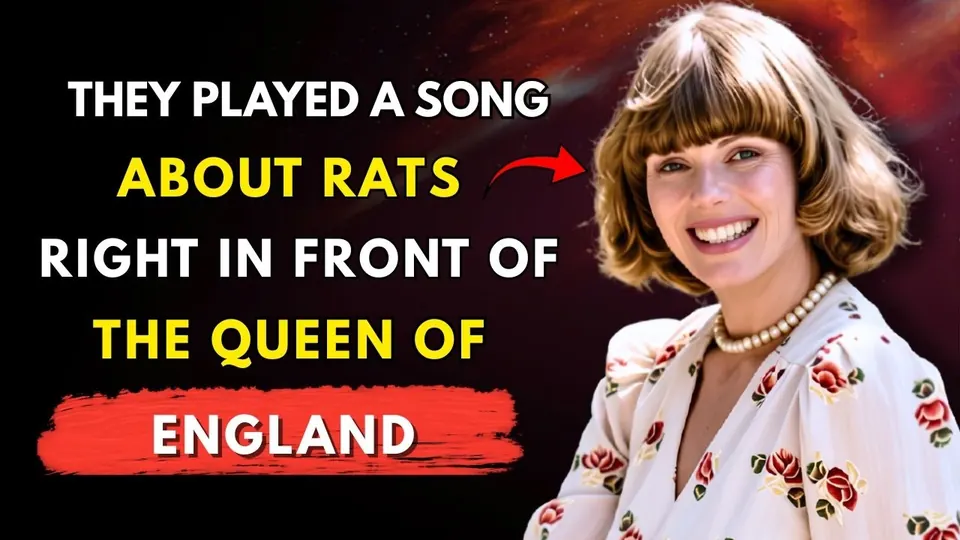
That July, the duo sang it at a White House dinner honoring Queen Elizabeth II. One dinner guest told the press it was "in very poor taste." Toni Tennille answered that she saw it as a gentle song, almost like something from Disney.
The record reached No. 4 on the Billboard Hot 100 and No. 1 on the adult contemporary chart. It has often turned up on "worst song" lists, yet many listeners still love it.
Why These 1976 Songs Still Make Us Smile
Look at this list and you can see what people wanted in 1976. A fired disc jockey, a jingle writer and a band in a Pittsburgh club all found hits by simply having fun. Even Paul McCartney answered his critics with a cheerful tune.
None of these songs asked to be taken too seriously, and that is probably why they last. They still turn up at weddings, ballgames and family parties nearly fifty years later.
Which of these catchy songs from 1976 still makes you smile, and where were you the summer you first heard it?
Sources and Further Reading
Topics in This Story
Your turn...
Which song takes you right back — and where were you when you first heard it?
Tell us the story — fellow fans would love to hear it.
We check every fact — but if you spot a mistake, we'd love to know.Report a correction →
More Greatest Hits by Year Stories
21:38Oldies Music · 1966 · Greatest Hits by Year 19:33Oldies Music · 1967 · Greatest Hits by Year
Forgotten Hits of 1967 You Forgot You Knew
 25:16Oldies Music · 1969 · Greatest Hits by Year