 21:38Oldies Music · 1966 · Greatest Hits by Year
1969 Songs With Secrets Even Fans Don't Know
Episode: Top 10 Songs From 1969 With Secrets Even Music Fans Don't Know
From Sora Music Rewind · 25 min ·This episode plays on YouTube — the button opens it in a new tab.
About These 1969 Songs With Hidden Secrets
These 1969 songs with hidden secrets filled AM radio in the year of the moon landing and Woodstock. Most people can still sing along to every one of them, yet the stories behind the records are far less familiar.
This episode counts down ten of them, from #10 to #1. The chart positions and behind-the-scenes details below were checked against chart records and reliable sources, and several claims from the video have been corrected or left out.
What Secrets Hide Behind These 1969 Hits?
#10: Hawaii Five-O — The Ventures (1969)
Morton Stevens composed this theme for the CBS police series Hawaii Five-O. The Ventures, often called the best-selling instrumental band of all time, recorded their own version, and it reached No. 4 on the Billboard Hot 100 in 1969.
The Ventures were also among the pioneers of the concept album, starting with The Colorful Ventures in 1961. They entered the Rock and Roll Hall of Fame in 2008.
When CBS brought the series back in 2010, the producers tried a new electric guitar version of the theme. As executive producer Alex Kurtzman put it, they realized "you can't change the original," and they brought back the original arrangement instead.
#9: Build Me Up Buttercup — The Foundations (1969)
The Foundations were a multiracial London band with members of West Indian, white British and Sri Lankan background. The song was written by Tony Macaulay and Mike d'Abo, who was then the lead singer of Manfred Mann.
It was also the first hit for a new voice. Colin Young had replaced lead singer Clem Curtis in 1968, and "Build Me Up Buttercup" was the first Foundations hit he sang on.
Released in late 1968, it reached No. 2 in Britain, No. 1 on the Cash Box chart and No. 3 on the Billboard Hot 100 in early 1969. Decades later it found new fans through the film There's Something About Mary and at college football games.
#8: Dizzy — Tommy Roe (1969)
Tommy Roe wrote this song with Freddy Weller, then lead guitarist for Paul Revere and the Raiders. By Roe's account, he had the chorus but could not finish it, and the two worked on it late one night on a tour bus.
The record was cut with the Los Angeles session players known as the Wrecking Crew, including drummer Hal Blaine. It reached No. 1 on the Billboard Hot 100 for four weeks in March 1969 and later hit No. 1 in Britain.
The video calls it a comeback after years without a hit, but Roe had reached the Top 10 in 1966 with "Sweet Pea" and "Hooray for Hazel." "Dizzy" sold two million copies by mid-April 1969.
#7: Sugar, Sugar — The Archies (1969)
The Archies were a cartoon band, so real singers had to supply the voices. Jeff Barry and Andy Kim wrote the song, Ron Dante sang lead, and Toni Wine and Andy Kim added backing vocals.
Because the group's previous single had stalled, promotion men played the record for radio without naming the band. Dante recalls that the label was removed, and a San Francisco station, KYA, was simply told it was "a mystery group."
It spent four weeks at No. 1 and was Billboard's top song of 1969. Post also printed Archies records on Super Sugar Crisp cereal boxes. Dante went on to co-produce Barry Manilow's records in the 1970s.
#6: Easy to Be Hard — Three Dog Night (1969)
This song comes from Hair, the rock musical by Galt MacDermot, James Rado and Gerome Ragni, which opened off-Broadway in 1967 and on Broadway in 1968. On stage, it is sung by the character Sheila.
Three Dog Night built its career on songs by outside writers, and Chuck Negron sang lead on this one. It reached No. 4 on the Billboard Hot 100 in 1969.
Chuck Negron died in February 2026 at age 83. In a tribute, Steve Perry of Journey called the band a "compass" from his youth and said Negron's version of this song was the definitive one.
#5: Leaving on a Jet Plane — Peter, Paul and Mary (1969)
John Denver wrote this song in 1966 during a layover at Washington National Airport. He first called it "Babe I Hate to Go," and he gave copies of his demo recording as Christmas presents that year.
Peter, Paul and Mary recorded it for their 1967 album Album 1700, but it was not released as a single until 1969. It became the trio's only No. 1 on the Billboard Hot 100 and helped launch Denver's career.
Twenty years later, Denver sued New Order over the guitar break in their 1989 single "Run 2." The case was settled out of court, and Denver received a co-writing credit.
#4: Aquarius/Let the Sunshine In — The 5th Dimension (1969)
This hit began with a lost wallet. Billy Davis Jr. left his in a New York City taxi, and the man who found and returned it had worked on the production of Hair. He invited the group to see the show.
Producer Bones Howe at first thought "Aquarius" was only an introduction. After seeing the show, he joined it with "Let the Sunshine In" into a medley. Davis improvised his closing solo in the studio.
The record spent six weeks at No. 1 in April and May 1969. It won the Grammy Awards for Record of the Year and Best Pop Vocal Performance by a Group.
#3: Time of the Season — The Zombies (1969)
Rod Argent wrote this song, and the Zombies recorded it at Abbey Road on September 14, 1967, for the album Odessey and Oracle. The album was made on a tight budget, and the band split up after a final show in December 1967.
In the United States, Columbia head Clive Davis at first decided not to release the album. Staff producer Al Kooper bought a copy in London, loved it and pushed for a release.
The song flopped at first, then reached No. 3 on the Billboard Hot 100 in March 1969, long after the band was gone. Promoters even sent out fake Zombies to cash in.
#2: Crimson and Clover — Tommy James and the Shondells (1969)
Tommy James wrote this song with drummer Peter Lucia. James has said the title came to him as he woke up, joining his favorite color with his favorite flower.
That rippling vocal came from plugging the microphone into a guitar amplifier with the tremolo turned on. Chicago station WLS aired a rough mix before the song was finished, and that version became the single. It reached No. 1 on February 1, 1969.
The secret lay at the label. Roulette Records was run by Morris Levy, who had ties to organized crime, and James later estimated that Roulette owed him $30 million to $40 million in royalties. He told that story in his memoir Me, the Mob, and the Music.
#1: In the Year 2525 — Zager and Evans (1969)
Denny Zager and Rick Evans met at Nebraska Wesleyan University and formed a duo in Lincoln, Nebraska. Evans wrote the song in 1964.
They recorded it in Odessa, Texas, with members of the Odessa Symphony adding instruments, and released it on the small Truth label. RCA then picked it up for national release.
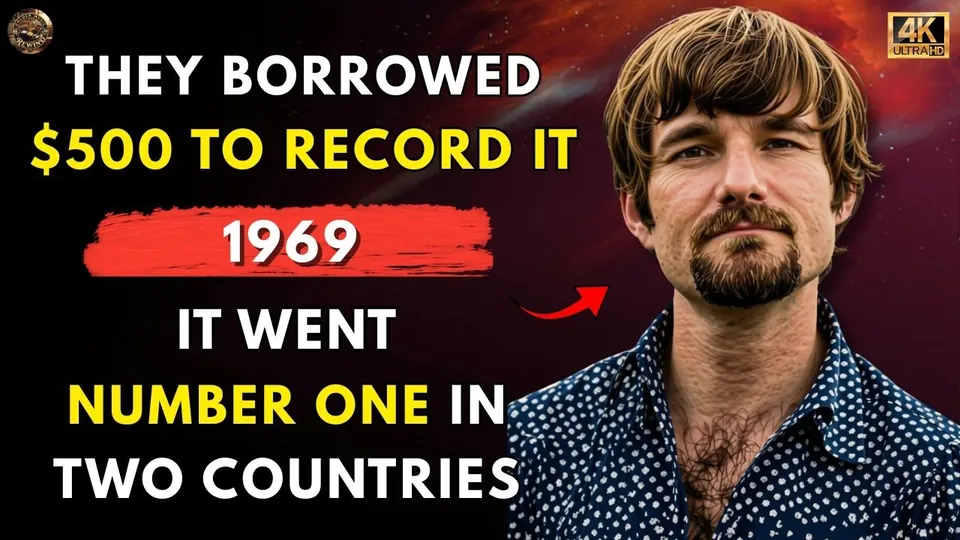
It reached No. 1 on July 12, 1969, and held the top spot for six weeks, through the moon landing, and also topped the British chart. For decades they were the only act to top both charts and never chart again in either country. Rick Evans died in 2018.
Why These 1969 Songs Still Surprise Us
Very few of these hits came from simple, straight lines. A lost wallet led to a medley. A record by a band that had already broken up became a hit. A cartoon group outsold everyone, and a duo from Nebraska topped the charts once and never returned.
Which of these songs do you remember hearing on the radio in 1969, and did any of these stories change the way you hear it?
Sources and Further Reading
Topics in This Story
Your turn...
Which song takes you right back — and where were you when you first heard it?
Tell us the story — fellow fans would love to hear it.
We check every fact — but if you spot a mistake, we'd love to know.Report a correction →
More Greatest Hits by Year Stories
21:38Oldies Music · 1966 · Greatest Hits by Year 19:33Oldies Music · 1967 · Greatest Hits by Year
Forgotten Hits of 1967 You Forgot You Knew
 20:56Oldies Music · 1976 · Greatest Hits by Year