 24:25Oldies Music · 1970s · Classic Movie Songs
70s Nostalgia Songs That Take You Back in Time
Episode: These 10 Songs Will Instantly Take Every '70s Kid Back in Time
From Sora Music Rewind · 21 min ·This episode plays on YouTube — the button opens it in a new tab.
About These 70s Nostalgia Songs
These 70s nostalgia songs once poured out of AM radios, jukeboxes and record players across America, and for many listeners they still bring back a kitchen, a car or a bedroom from long ago. Behind the gentle melodies, though, many carry stories of grief, struggle and second chances.
This countdown follows the episode from #10 to #1. The chart positions and life details below were checked against reliable sources, and several details from the video have been corrected.
The Countdown: 10 Songs That Take '70s Kids Back in Time
#10: American Pie — Don McLean (1971)
Don McLean was a 13-year-old newspaper delivery boy in New Rochelle, New York, when he saw the news of the February 1959 plane crash that killed Buddy Holly, Ritchie Valens and J.P. "The Big Bopper" Richardson. Years later he turned that memory into a long, puzzling story-song about "the day the music died."
The album version runs 8 minutes and 42 seconds, too long for one side of a 45. So the single was split in two, with the story continuing on the B-side. Producer Ed Freeman later claimed the backing choir included Pete Seeger, James Taylor, Livingston Taylor and Carly Simon, though the singers were never officially named.
The record reached No. 1 on the Billboard Hot 100 the week of January 15, 1972, and stayed there four weeks.
#9: Fire and Rain — James Taylor (1970)
The opening verse is about Suzanne Schnerr, a childhood friend who took her own life while Taylor was recording his first album in London. His friends waited months to tell him. The later verses reflect his struggle with addiction and depression and his stay at the Austen Riggs Center in Massachusetts.
Carole King played piano, and drummer Russ Kunkel used brushes for a soft touch. The song reached No. 3, Taylor's first Top 10 hit. A popular rumor said a girlfriend died in a plane crash, but the "flying machines" line refers to his earlier band, the Flying Machine.
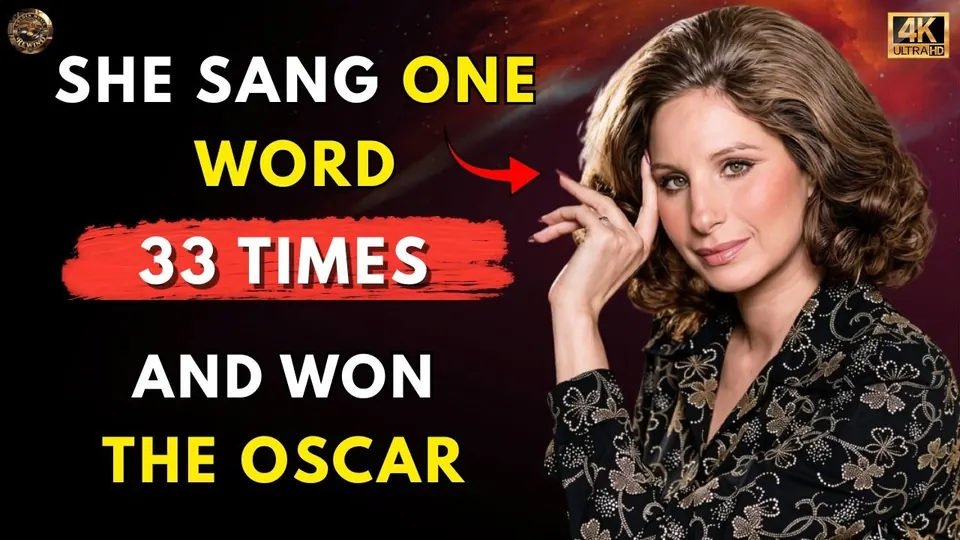
#8: The Way We Were — Barbra Streisand (1973)
Marvin Hamlisch wrote the melody for the film starring Streisand and Robert Redford, with lyrics by Alan and Marilyn Bergman. Streisand had asked for a minor key, but Hamlisch chose a major key so the sad ending would not be given away too soon.
The single topped the Billboard Hot 100 in February 1974 for three weeks and was named Billboard's No. 1 single of the year. At the 46th Academy Awards it won the Oscar for Best Original Song, and it later won the Grammy for Song of the Year.
#7: Landslide — Fleetwood Mac (1975)
Stevie Nicks wrote "Landslide" while staying in Aspen, Colorado, looking out at the Rocky Mountains. She and Lindsey Buckingham had been dropped by Polydor after their album Buckingham Nicks, and she was supporting them both with waitressing and cleaning jobs while wondering whether to go back to school.
After the pair joined Fleetwood Mac, the song appeared on the band's 1975 album, with Buckingham's fingerpicked acoustic guitar beneath her voice. It was not released as a single then. A live version from the 1997 reunion album The Dance finally charted in 1998, reaching No. 51, and the Dixie Chicks took their 2002 cover into the Top 10.
#6: Without You — Harry Nilsson (1971)
Harry Nilsson heard Badfinger's original at a party and thought it was a Beatles song. It was written by Badfinger's Pete Ham and Tom Evans, who combined two unfinished songs into one. Producer Richard Perry pushed Nilsson toward a big orchestral arrangement.
Nilsson's version spent four weeks at No. 1 in America and five in Britain, and won him a Grammy. Paul McCartney called it "the killer song of all time."
Its writers did not share in that good fortune. Badfinger's finances collapsed under their business manager. Pete Ham died by suicide in 1975 at 27, and his daughter was born about a month later. In 1983, after a heated argument over the song's royalties, Tom Evans also took his own life.
#5: Rainy Days and Mondays — The Carpenters (1971)
Paul Williams and Roger Nichols, who also wrote "We've Only Just Begun," sent this song to Richard Carpenter as a demo. He felt it was perfect for his sister and kept the arrangement sparse, with Tommy Morgan's harmonica. Karen recorded it a few weeks before her 21st birthday.
The single reached No. 2 on the Billboard Hot 100, held back only by Carole King's "It's Too Late," and went gold. Karen Carpenter died in 1983 at 32, from heart damage linked to anorexia nervosa, and many listeners now hear the song's quiet sadness differently.
#4: You've Got a Friend — Carole King and James Taylor (1971)
Carole King wrote this song in January 1971 during the sessions for her album Tapestry. Taylor heard it as a reply to the line in "Fire and Rain" about not being able to find a friend, though King has said she did not write it with anyone specific in mind.
The two versions were recorded at the same time, with some of the same musicians. Taylor's became his only No. 1 single. At the Grammy Awards in March 1972, King won Song of the Year and Taylor won Best Male Pop Vocal Performance for the same song.
#3: He Ain't Heavy, He's My Brother — The Hollies (1969)
The title phrase is older than the song. A version appears in an 1884 book by James Wells, and Boys Town in Nebraska, which traces the words to one of its boys in 1918, adopted it as a slogan under Father Edward Flanagan in the 1940s.
Bobby Scott and Bob Russell wrote the song. When the Hollies recorded it, the piano was played by a young session musician who would soon be famous as Elton John. He was reportedly paid £12.
The single reached No. 3 in Britain and No. 7 in America. In 1988, after it was used in a beer commercial, it returned to the British chart and finally reached No. 1.
#2: If You Leave Me Now — Chicago (1976)
Bass player Peter Cetera wrote this soft ballad for the album Chicago X. It was a change of pace for a band known for its horn section. Jimmie Haskell arranged the strings, and producer James William Guercio's acoustic guitar from the demo stayed on the finished record.
The single reached No. 1 on the Billboard Hot 100 on October 23, 1976, and stayed two weeks, the group's first chart-topper. It also spent three weeks at No. 1 in Britain and earned Chicago its first Grammy.
#1: Cat's in the Cradle — Harry Chapin (1974)
The words began as a poem by Harry's wife, Sandy Chapin. She was inspired by the strained relationship between her first husband and his father, and by a country song she heard on the radio. Harry set it to music and said it was about him and his own young son, Josh.
It topped the Billboard Hot 100 in December 1974, Chapin's only No. 1, and it entered the Grammy Hall of Fame in 2011.
Chapin spent much of his life fighting hunger and co-founded World Hunger Year. On July 16, 1981, while driving to a free benefit concert on Long Island, his car was struck from behind by a truck. He was 38. He was awarded the Congressional Gold Medal in 1987 for his work against hunger.
Why Do 70s Nostalgia Songs Still Move Us?
Most of these songs were simple on the surface: a piano, a guitar, a soft voice. That simplicity let them fit into everyday life, playing on the radio while families drove, cooked and worked.
Knowing the stories behind them adds another layer. A song about rain becomes a memory of Karen Carpenter. A song about a father and son becomes a reminder to call home.
Which of these 70s nostalgia songs did you play until the record wore thin, and who comes to mind when you hear it now?
Sources and Further Reading
Topics in This Story
Your turn...
Which song takes you right back — and where were you when you first heard it?
Tell us the story — fellow fans would love to hear it.
We check every fact — but if you spot a mistake, we'd love to know.Report a correction →
More Oldies Music Stories
24:25Oldies Music · 1970s · Classic Movie Songs 20:42Oldies Music · 1976 · One-Hit Wonders
One-Hit Wonders of 1976 Every Boomer Remembers
 20:56Oldies Music · 1976 · Greatest Hits by Year