 22:47Oldies Music · 1950s · One-Hit Wonders
One-Hit Wonders of 1976 Every Boomer Remembers
Episode: 10 One-Hit Wonders from 1976 Every Baby Boomer Remembers
From Sora Music Rewind · 21 min ·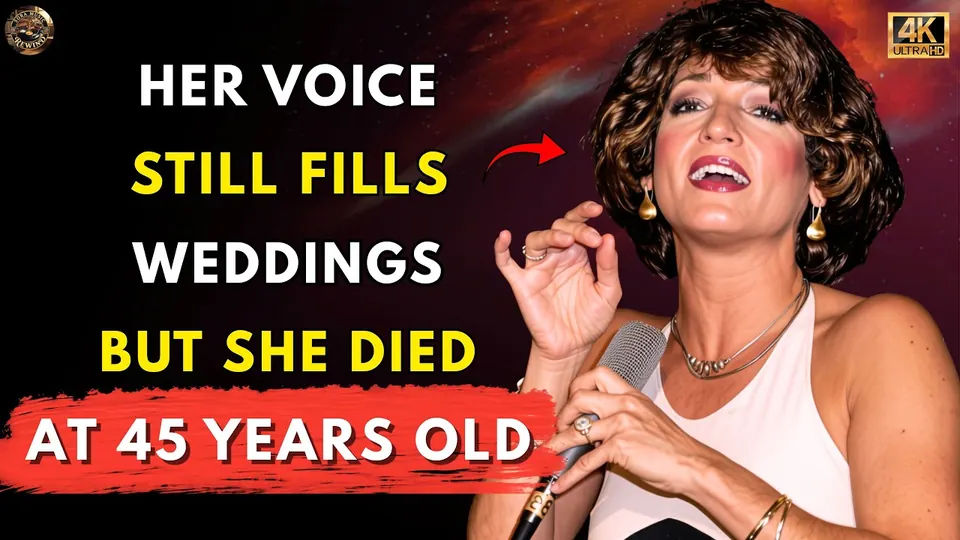
About These One Hit Wonders of 1976
The one hit wonders of 1976 came from every corner of the music business: a classically trained composer, a Broadway singer, a Memphis disc jockey and a hard rock bar band from Ohio. For one season, each of them owned the radio.
This episode counts down ten of those songs. Every chart position and story below was checked against reliable sources.
What Counts as a One-Hit Wonder?
The label usually means an act with one big pop hit and little else in the Top 40. A few artists here had other successes elsewhere, and we note them where the record shows it.
The Countdown: 10 One-Hit Wonders From 1976
#10: A Fifth of Beethoven — Walter Murphy (1976)
Walter Murphy studied composition at the Manhattan School of Music and wrote jingles in New York. In 1976, while working on a disco song for a commercial, a producer suggested "updating classical music." Murphy mailed a demo, including a disco take on Beethoven's Fifth Symphony, to record labels. Most were unimpressed, but Larry Uttal of Private Stock Records liked it.
The label wanted a group name: Walter Murphy and the Big Apple Band. Two days after release, they learned another Big Apple Band already existed. That band changed its name to Chic.
The record entered the Hot 100 at No. 80 and climbed to No. 1 within 19 weeks, selling two million copies. It was Murphy's only Top 40 hit. He later became a composer for Family Guy, won an Emmy for a song from the show, and earned an Oscar nomination for a song in Ted.
#9: Turn the Beat Around — Vicki Sue Robinson (1976)
Vicki Sue Robinson joined the Broadway cast of Hair at 16 and later appeared in Jesus Christ Superstar. The song came from brothers Gerald and Peter Jackson of the R&B group Touch of Class. Robinson heard their demo and wanted it.
Producer Warren Schatz recorded it at RCA, and she cut her lead vocal in a single take. Released as a single in February 1976, it topped the disco chart and reached No. 10 on the Hot 100 that August. It earned her a Grammy nomination for Best Female Pop Vocal Performance.
Her later singles charted only modestly. Robinson died of cancer in April 2000, at 45.
#8: Moonlight Feels Right — Starbuck (1976)
Starbuck formed in Atlanta in 1974, led by singer and keyboardist Bruce Blackman and marimba player Bo Wagner. Blackman wrote and produced this song, released in December 1975.
Casey Kasem later told listeners the band sent it to 400 stations, and most promised to play it but did not. WERC in Birmingham, Alabama, said it sounded like a spring song and kept its word when spring came. The record finally entered the chart in April 1976 and reached No. 3 that summer.
Wagner's marimba solo is the part people remember. He had played drums for Liberace, and he died in 2017 at 72. Starbuck reached the Top 40 once more with "Everybody Be Dancin'," but never came close to this.
#7: Shannon — Henry Gross (1976)
Henry Gross was a founding member of Sha Na Na and, at 18, the youngest musician to play at Woodstock. He left the group in 1970 to go solo.
While touring with the Beach Boys in 1975, Gross visited Carl Wilson's home. Gross mentioned a dog named Shannon, and Wilson said he had a dog named Shannon too, an Irish setter that had recently been hit by a car. Gross turned that loss into a song.
It went gold, reached No. 6 on the Hot 100, and hit No. 1 in Canada and New Zealand. His next single, "Springtime Mama," reached No. 37. In 1985, Casey Kasem lost his temper while recording a dedication of "Shannon" for his countdown show. That outburst never aired but later spread online.
#6: Fooled Around and Fell in Love — Elvin Bishop (1976)
Elvin Bishop made his name as a guitarist with the Paul Butterfield Blues Band. He wrote this ballad for his 1975 album Struttin' My Stuff, but felt his gravelly voice would not do it justice.
So he gave the lead vocal to Mickey Thomas, a backing singer in his band. The single peaked at No. 3 in May 1976 and went gold that June. The Osmonds had reportedly turned the song down, feeling it did not meet their moral standards.
The record opened doors for Thomas, who became a lead singer of Jefferson Starship in 1979.
#5: Let Your Love Flow — The Bellamy Brothers (1976)
Larry Williams, a roadie for Neil Diamond, wrote this song. Diamond's drummer, Dennis St. John, sent the demo to producer Phil Gernhard, who played it for David Bellamy.
The brothers from Florida cut it at Wally Heider's studio in Hollywood with Diamond's band. David recalled they "probably didn't do more than two or three takes." Released in January 1976, it reached No. 1 on the Hot 100 on May 1 and also went to No. 1 in Germany, Switzerland and South Africa.
Pop radio never gave them another hit like it, but country radio did. Starting with "If I Said You Have a Beautiful Body Would You Hold It Against Me" in 1979, they went on to 20 No. 1 country singles.
#4: Afternoon Delight — Starland Vocal Band (1976)
Bill Danoff, who co-wrote "Take Me Home, Country Roads" with his wife Taffy and John Denver, found this title on the happy hour menu at Clyde's in Georgetown, Washington, D.C. The menu was headed "Afternoon Delights."
Danoff said he wanted something fun that only hinted at romance. The four-part harmonies sounded wholesome, and the "skyrockets in flight" chorus fit the Bicentennial summer. It reached No. 1 on July 10, 1976, just days after the national celebration.
The group won Grammys for Best New Artist, beating Boston, and Best Arrangement for Voices. The band broke up in 1981, and both couples in it divorced.
#3: Welcome Back — John Sebastian (1976)
Producer Alan Sacks wanted a Lovin' Spoonful-style theme for a new ABC sitcom called Kotter. His agent also represented John Sebastian, the Spoonful's former frontman.
Sebastian could not find anything to rhyme with "Kotter" except "otter," so he wrote about coming back instead. The producers liked it so much that they renamed the show Welcome Back, Kotter, the series that made John Travolta a star.
The song reached No. 1 for one week in May 1976. Sebastian already had hits with the Spoonful, so he is a one-hit wonder only as a solo act.
#2: Play That Funky Music — Wild Cherry (1976)
Wild Cherry was a hard rock cover band from the steel-mill country around Steubenville, Ohio. As disco took over, bookings dried up.
One night at a Pittsburgh club, a patron asked drummer Ron Beitle whether the "white boys" were going to play some funky music. Singer Rob Parissi grabbed a pen and an order pad and wrote the song in about five minutes.
It reached No. 1 on both the Hot 100 and the R&B chart on September 18, 1976, and went platinum. Billboard named Wild Cherry its Best Pop Group of the Year. The band broke up in 1979. When Vanilla Ice used the song without credit, Parissi was later awarded $500,000.
#1: Disco Duck — Rick Dees (1976)
Rick Dees was a disc jockey at WMPS in Memphis. He said he wrote "Disco Duck" in one day, then spent three months convincing anyone to record it.
His station would not let him play it on his own show. When he mentioned the song on the air, management fired him, citing a conflict of interest. It reached No. 1 on October 16, 1976, replacing "A Fifth of Beethoven," and sold more than four million copies.
Dees never had another Top 40 hit. Instead, he built a long radio career, hosting mornings at KIIS-FM in Los Angeles and his own weekly countdown show.
Why 1976 Produced So Many One-Hit Wonders
Disco was booming, and a catchy record could come from anywhere. A jingle writer, a bar band and a radio host all reached No. 1 that year.
Which of these songs takes you straight back to the summer of 1976, and where were you when you first heard it?
Sources and Further Reading
Topics in This Story
Your turn...
Which song takes you right back — and where were you when you first heard it?
Tell us the story — fellow fans would love to hear it.
We check every fact — but if you spot a mistake, we'd love to know.Report a correction →